

A successful school fundraiser takes teamwork. Students spread the word, families help connect with supporters, and group leaders keep everything organized. But there’s another important piece that can make a real difference: teacher support.
For teachers, coordinating or participating in a product fundraiser doesn’t have to mean taking on a whole new job. Small actions like explaining why the fundraiser matters, sharing a reminder, celebrating progress, or encouraging students to participate can help keep the fundraiser moving. And for parents and guardians, a little encouragement from the classroom can make it easier to stay informed and involved at home.
So, how can schools make the most of teacher support without adding unnecessary work to already busy schedules? Let’s look at practical ways teachers, group leaders, and families can work together to make a school fundraiser a success.
How Can You Help Teachers Get Involved in Your School’s Fundraiser?

Teachers have a lot on their plates. Between lesson planning, classroom management, grading, meetings, and helping students learn, their time is already spoken for. That’s why a successful school fundraiser needs a plan that makes participation manageable.
Group leaders or principals can help by giving teachers clear information, ready-to-use materials, and a simple way to share reminders. The easier it is to support the fundraiser, the more likely teachers will feel comfortable participating.
Before the fundraiser begins, provide teachers with the essentials:
- The purpose of the fundraiser and what the money will support
- Start and end dates
- Order deadlines and instructions
- Product information and pricing
- Information about how orders and payments should be handled
- A contact person for questions
- Ready-to-share announcements or reminder messages
Avoid making teachers search through multiple emails or documents to find the information they need. A short, organized overview is often more useful than a long explanation that takes time to sort through.
Ways Teachers Can Help a School Fundraiser be Successful
1. Connect the Fundraiser to a Goal Students Care About

Students are more likely to get excited about a fundraiser when they understand what they’re working toward. Selling products is the activity, but the reason behind it is what gives that activity meaning. Maybe the school is raising money for new playground equipment, classroom resources, field trips, extracurricular activities, or a special event. Whatever the goal, make it clear and easy for students to understand.
Teachers can help connect the dots between the fundraiser and its purpose. A quick explanation during class can help students see that each order contributes to something bigger than an individual sale.
For example, instead of simply saying, “Remember to sell your fundraising products,” a teacher might say, “We’re working together to raise money for our new playground equipment. Every order helps us get closer to that goal.”
That small shift makes the message more meaningful.
Make the Goal Visible
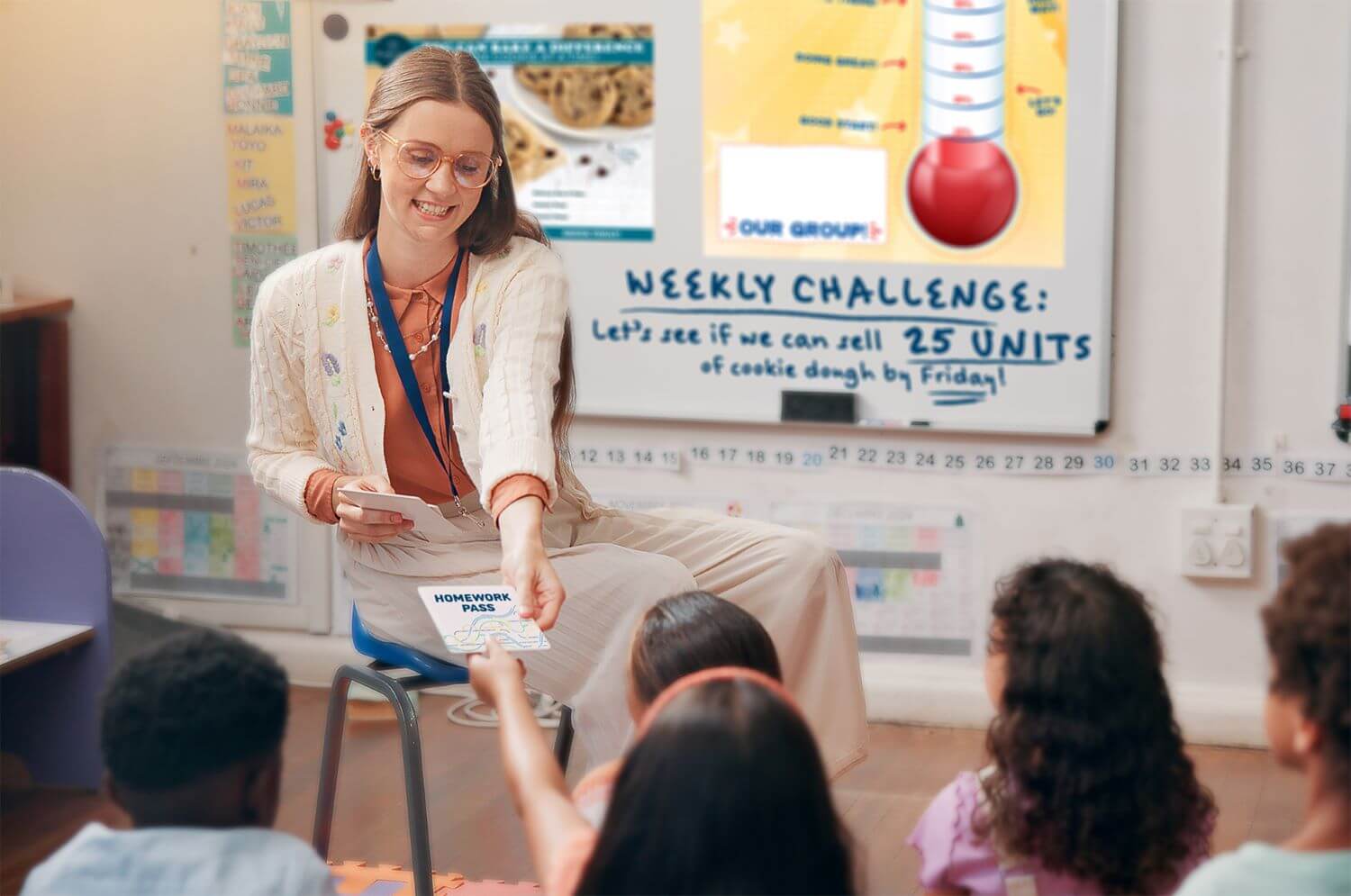
Teachers can consider posting the fundraising goal somewhere students can see it, such as a classroom bulletin board, hallway display, or in a shared school announcement. A simple progress tracker can help students see how far the school has come and how much further it needs to go. Teachers can briefly recognize milestones as the group makes progress.
Keep the focus on collective achievement rather than putting pressure on individual students. Not every family will be able to participate in the same way, and that’s okay. The goal is to help students feel connected to the effort, not to make anyone feel singled out.
2. Use Classroom Reminders to Keep the Fundraiser on Track
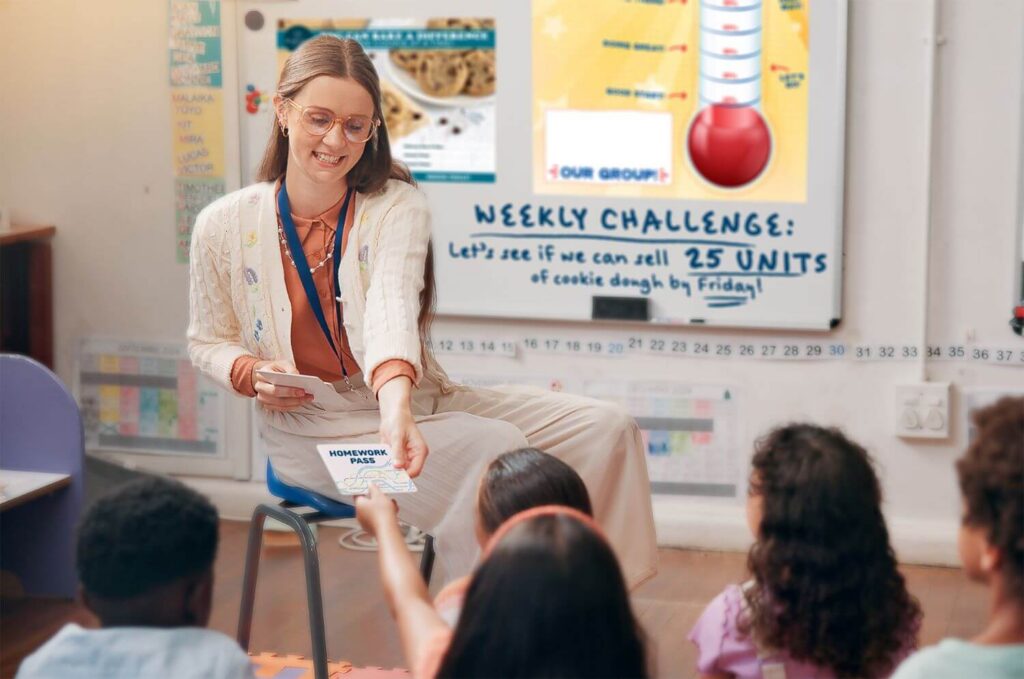
Even an exciting fundraiser can lose momentum when everyday school life gets busy. Students have assignments, activities, tests, and plenty of other things competing for their attention. Parents and guardians have busy schedules of their own. A deadline that feels far away at the beginning of the fundraiser can arrive before anyone realizes it.
Teachers can help bridge that gap with short, timely reminders. A quick announcement at the beginning of class, a note on the board, or a reminder before students leave for the day can help keep the fundraiser on everyone’s radar. The key is to make reminders helpful rather than repetitive.
Instead of sharing the same message every day, focus on the information students need at different points in the fundraiser.
For example:
- At kickoff: Explain the goal, introduce the fundraiser, and remind students how to participate.
- Midway through: Share progress toward the group goal and remind students of the remaining time.
- A few days before the deadline: Clarify when orders and payments are due and what students need to turn in.
- At the end: Thank students and families for participating and celebrate the class’s efforts.
Coordinate Reminders with the Group Leader
Teachers shouldn’t have to guess when reminders are needed. The group leader can create a simple communication schedule and share it with participating teachers in advance. That way, teachers know what to communicate and when, and families receive consistent information.
It also helps prevent a common fundraising problem: students receiving different instructions from different people. When everyone is working from the same plan, the process becomes easier to manage.
3. Help Students Become Confident Fundraiser Ambassadors
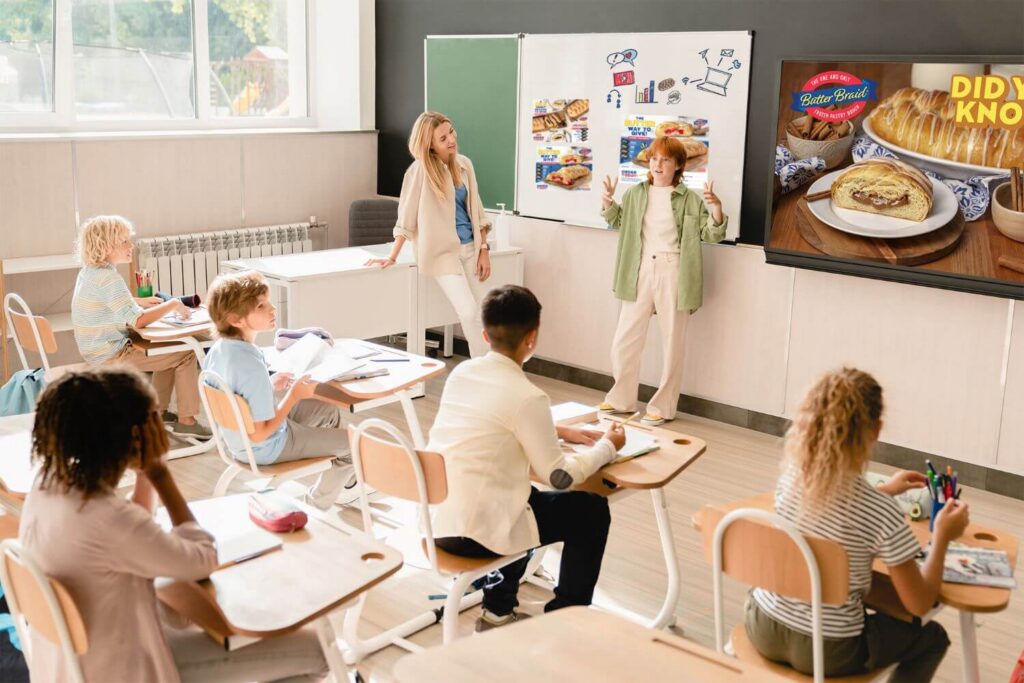
Teachers do more than deliver information. They help students develop confidence in sharing ideas, asking questions, and communicating with others. A product fundraiser provides a practical opportunity to practice those skills.
Students may need to explain what their group is raising money for, describe the products they’re selling, or tell a family member when orders are due. With a little guidance, teachers can help students feel more prepared to have those conversations.
This doesn’t mean turning classroom time into a sales lesson. It can be as simple as helping students understand the fundraiser well enough to explain it in their own words.
Teachers might ask:
- “What is our group raising money for?”
- “How would you explain that goal to someone at home?”
- “What information would someone need to place an order?”
- “What could you say if someone has a question about the fundraiser?”
These conversations help students practice clear communication and take greater ownership of their participation.
Keep the Focus on Sharing, Not Pressure
It’s important to help students understand that fundraising isn’t about pressuring people to buy. It’s about sharing an opportunity to support a school or group. Supporters can decide whether the products fit their needs, and students should always be encouraged to respond respectfully.
Families should also follow school and program guidelines when sharing fundraising information, collecting orders, and handling payments.
4. Celebrate Progress Along the Way

Fundraising often comes with a final goal, but it’s the smaller milestones along the way that can keep people engaged.
A school may be working toward a specific dollar amount or product-sales target. Recognizing progress helps students see that their efforts are adding up, even when the final goal still feels far away. Teachers can help celebrate these moments with a quick classroom announcement, a progress update, or a simple acknowledgment of the group’s teamwork.
For example, a teacher might share that the school has reached the halfway point toward its goal or thank students for remembering to bring in their order forms on time.
Not every celebration needs to involve prizes or rewards. Sometimes, recognition is as simple as taking a moment to say, “We’re making progress because people are pitching in.”
Celebrate More Than Sales Numbers
Every family has different circumstances, and not every student will participate in the same way. For that reason, it’s important to recognize behaviors that support the fundraiser without making individual sales totals the center of attention.
Teachers can recognize students for helping communicate reminders, showing responsibility, asking thoughtful questions, or contributing with a positive attitude. This approach reinforces teamwork and helps keep the fundraiser welcoming for everyone.
5. Partner with Parents and Guardians

Teacher support is valuable, but families play an equally important role in helping a school fundraiser run smoothly. Parents and guardians often help students understand the instructions, reach out to potential supporters, track orders, and remember deadlines. When they receive clear and consistent information from the school, it’s easier for them to know how to help.
Teachers can support that connection by sharing information through the communication methods families already use. That might mean a classroom newsletter, an email, a school communication app, or a printed reminder sent home with students. The best approach is usually the one that fits the school’s existing routines.
Make the Next Step Clear
When communicating with families, be specific about what they need to know or do. Instead of a general reminder that the fundraiser is underway, provide the deadline, instructions for placing or submitting orders, and a contact for questions.
If the fundraiser offers online ordering, explain how families can access the official fundraising store or share the appropriate selling link, following the program’s instructions. If orders are collected on paper, make sure families know how to complete and return the forms.
Clear communication helps families support their children without having to track down missing details. It also helps prevent confusion around payments, order collection, and delivery.
Remember That Families Have Different Schedules
Not every parent or guardian will be able to attend school events, respond immediately to messages, or help during the school day. Whenever possible, offer information in a format families can access when it works for them. Keep instructions easy to follow and avoid assuming that every family has the same amount of time or resources available. The goal is to make involvement easier, not to add pressure to an already full schedule.
6. Keep Communication Consistent Across the School

One of the biggest challenges in a school fundraiser is making sure everyone has the same information. A teacher may announce one deadline, a reminder note may list another, and a family may receive an outdated order form. Even small inconsistencies can lead to missed orders, confusion, and extra work for the group leader.
This is where coordination matters. The group leader should be the central point of contact for program questions and updates. Teachers can then share approved information with students and families without having to manage every detail themselves.
A simple communication plan can include…
- One confirmed set of fundraiser dates and deadlines
- A central location for current forms and materials
- A schedule for kickoff, progress, and deadline reminders
- Clear instructions for order submission and payment
- One designated contact for questions and changes
If something changes during the fundraiser, the group leader should communicate the update to teachers promptly and provide the exact message they should share. This approach reduces confusion and helps teachers feel confident that they’re passing along accurate information. It also protects their time. Teachers can focus on supporting students rather than tracking down answers or resolving preventable misunderstandings.
7. Respect Teachers’ Time and School Policies
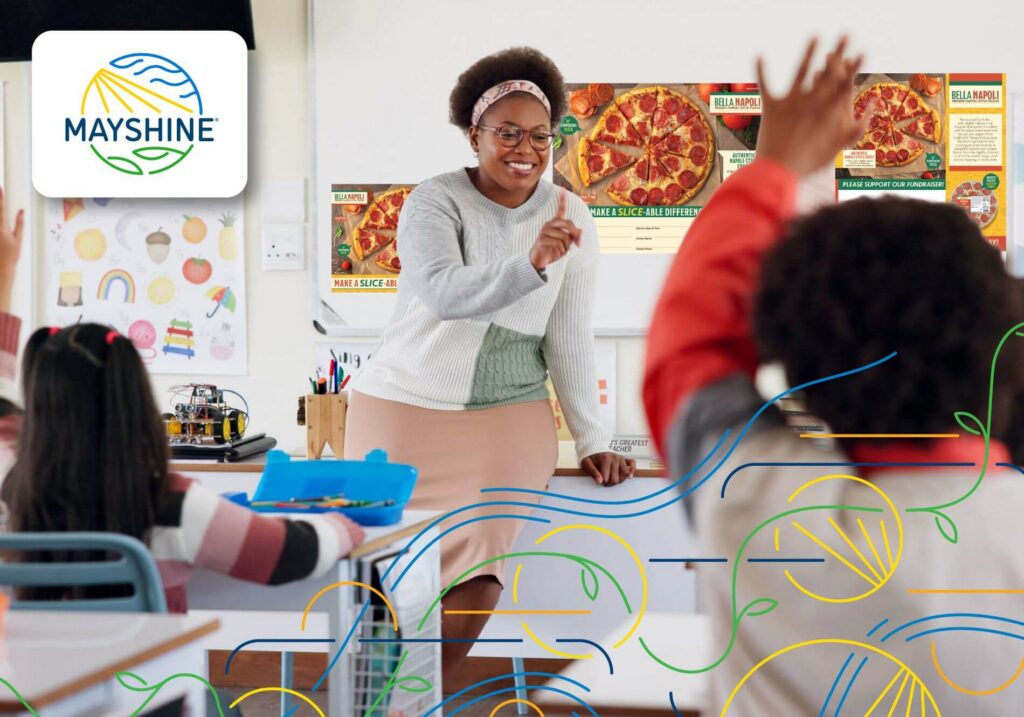
Teacher support can make a meaningful difference, but it should never come at the expense of the classroom or create unnecessary demands. Teachers have a primary responsibility to educate and support their students. Fundraising activities need to fit within the school’s expectations, available time, and policies.
Before launching a fundraiser, group leaders and school administrators should work to understand what is permitted. Some schools may have specific rules about classroom announcements, materials sent home, online communication, handling money, or student participation. Make sure the fundraising plan follows those guidelines.
It’s also helpful to ask teachers what kind of support is realistic for them. One teacher may be happy to make a brief announcement each week, while another may prefer to send a single reminder through an established communication platform. Both can be valuable.
Make Appreciation Part of the Plan
Teachers are often balancing many responsibilities, so take time to acknowledge their support. A sincere thank-you email, a note from the group leader, or a message recognizing the school’s teamwork can go a long way. If the fundraiser reaches its goal, let teachers know how their support contributed to the outcome.
You don’t need an elaborate recognition program. A genuine acknowledgment is enough to show that their time and effort are valued. When teachers feel respected and supported, the fundraising process is more likely to remain a positive experience for everyone involved.
8. Close the Loop After the Fundraiser

When the final orders are submitted, it’s tempting to move straight to the next item on the school calendar. But taking a few minutes to wrap up the fundraiser is an important part of the process.
Students, teachers, and families should know what their efforts helped accomplish. Share the final result when it’s available, explain how the funds will support the group’s goal, and thank everyone who contributed.
- For teachers, this information helps connect classroom reminders and student participation to the outcome.
- On the students’ side, it reinforces the idea that their actions made a difference.
- For parents and guardians, it provides a clear picture of what the school accomplished and helps build trust for future fundraising efforts.
If the group reached its goal, celebrate that achievement. If it fell short, recognize the progress made and explain what comes next, when appropriate. The goal is to close the loop honestly and positively.
Learn from the Experience
A quick review can also help make the next fundraiser smoother. Ask teachers what worked well and what could be improved. Were the instructions clear? Were reminders timed appropriately? Did families have enough information? Were there any steps that created unnecessary work?
You don’t need a lengthy meeting or formal report. A few observations can help the group leader identify practical improvements for next time. And don’t forget to share those improvements with the people who helped make the fundraiser happen. Fundraising gets easier when schools learn from each experience and build on what worked.
Teacher Support Makes the Difference
A successful school fundraiser doesn’t depend on one person doing everything. It depends on people working together, each contributing in a way that makes sense for them.
Teachers help students understand the goal, keep important information visible, encourage participation, and build excitement along the way. Parents and guardians reinforce those messages at home and help students follow through. Group leaders organize the details, provide resources, and make sure everyone has the information they need.
When those efforts come together, a product fundraiser can become a smoother, more positive experience for the entire school community.