When you think about what kids get from participating in a fundraiser, the first things that probably come to mind are reaching a sales goal, earning money for their group, or maybe even winning a prize. Those are all important parts of the experience, but there is something else happening every time a child talks to a neighbor about a fundraiser, reminds a teammate about an upcoming deadline, delivers an order, or encourages a friend who is falling behind: They are learning how to lead.
Fundraising gives kids a chance to practice leadership in a way that feels natural. They aren’t sitting in a classroom memorizing a definition of responsibility or reading about teamwork in a textbook. They are experiencing it firsthand. This means they have a goal to work toward, people counting on them, and a role to play in helping their group succeed.
For parents and guardians, this can be one of the most valuable parts of the fundraising experience. And for group leaders, it is an opportunity to intentionally turn a product fundraiser into more than a sales event. With the right encouragement, a fundraiser can help kids build confidence, take ownership, motivate their peers, communicate effectively, and understand what it means to follow through on a commitment.
Leadership Starts with Ownership
One of the biggest steps toward becoming a leader is learning to take ownership. Ownership means understanding that your actions matter. It means recognizing that you have a role to play in the outcome instead of waiting for someone else to make things happen. A fundraiser provides a simple way for kids to experience this.
Instead of simply telling kids, “You need to sell this much”, help them understand why the group is fundraising and what their individual efforts can contribute. Maybe the money will support a school activity, purchase new equipment, fund a trip, or help an organization continue serving the community. Whatever the goal, connecting the fundraiser to something meaningful gives kids a reason to care about the outcome.
Then comes the important part: giving them some responsibility for getting there. A child might set a personal sales goal. They might decide who they want to ask to support the fundraiser. They might keep track of their orders, follow up with supporters, or make sure their money and paperwork are turned in on time. These may seem like small responsibilities, but small responsibilities are where bigger leadership skills begin.
Tips for Helping Kids Learn Leadership Skills Through Fundraising
1. Let Kids Own Their Goals
Adults naturally want to help. That’s part of being a parent, guardian, coach, teacher, or group leader. But there is a difference between helping a child and doing something for them.
Instead of setting a goal for a child, ask questions such as:
- What do you think you could sell?
- Who do you think might want to support you?
- What would you like to earn for the group?
- What’s one thing you could do today to get closer to your goal?
- What could you try if you aren’t getting the response you hoped for?
The goal isn’t to leave kids completely on their own. It’s to give them a chance to think, make decisions, and experience the satisfaction of seeing their choices lead to results. That’s ownership.
2. Give Kids Real Responsibilities

Responsibility is learned by having responsibilities. That may sound obvious, but it’s easy for adults to take over during a busy fundraiser. Parents want to make sure orders are correct. Group leaders want everything turned in on time. Someone needs to remember the deadline.
It can be tempting to handle everything. But whenever it’s appropriate for their age, let kids take responsibility for parts of the process. They can keep track of their order form, remember when orders are due, organize their customer list, and help communicate with family members about deadlines. Older kids may be able to manage more of these tasks independently.
Will they forget something? Probably. And that’s okay. A missed deadline or forgotten form can become a learning opportunity. Instead of immediately fixing the problem, ask the child what happened and what they can do differently next time.
Try:
“What do you need to remember for tomorrow?”
or
“How could you keep track of that next time?”
The goal isn’t perfection. It’s practice. Kids learn responsibility when they understand that their commitments matter and that following through is part of being someone others can count on.
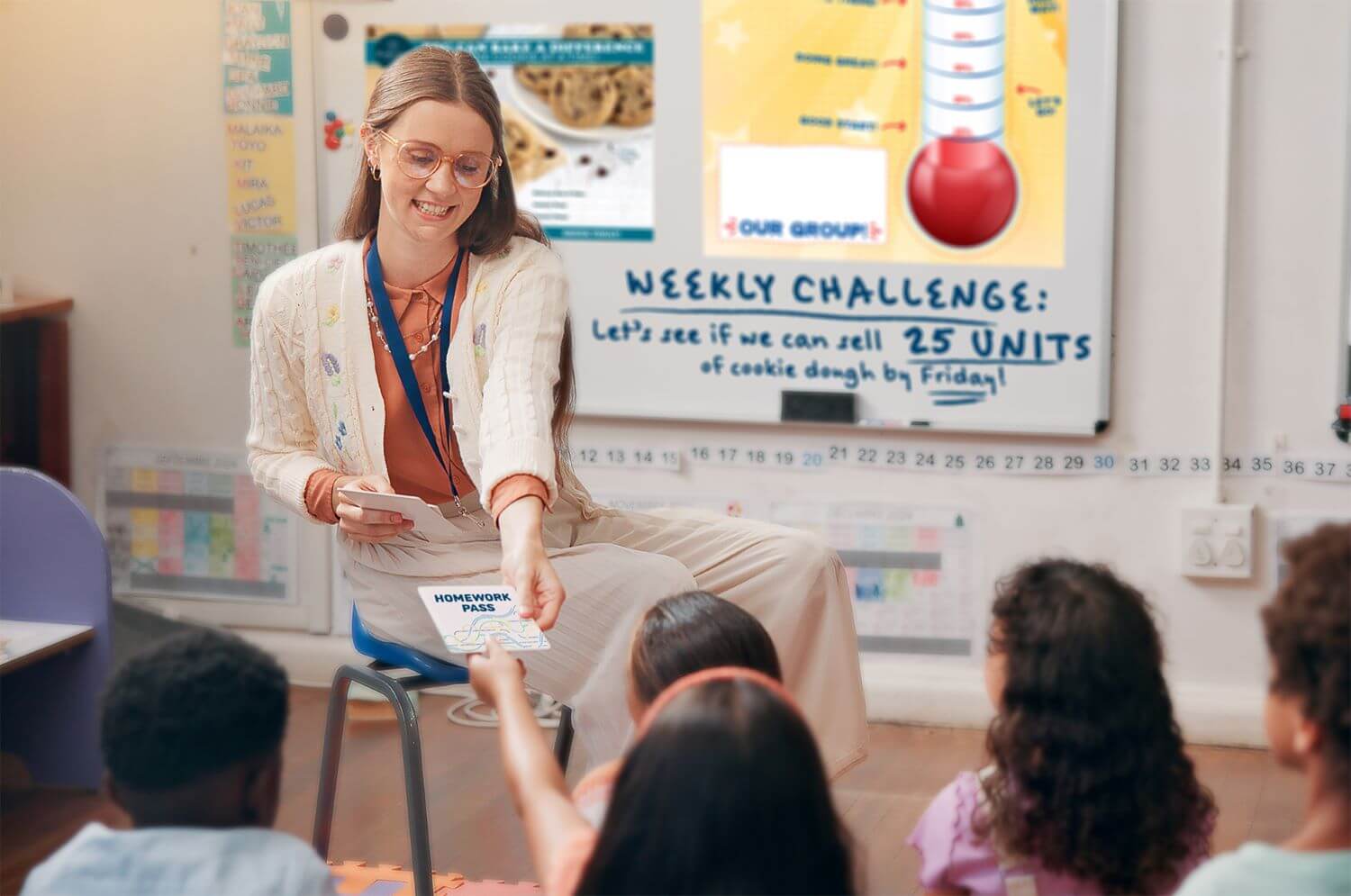
3. Offer Them Opportunities to Motivate their Peers
Leadership isn’t about being the person who gives everyone else instructions. Some of the best leaders are the people who encourage others. A fundraiser gives kids opportunities to do exactly that.
Maybe the group is halfway through the fundraiser and participation is slowing down. Maybe some sellers are excited while others have lost momentum. This is a great time to encourage kids to think about how they can help their teammates.
Ask them…
- What could our group do to make this week more fun?
- How could you encourage someone who hasn’t reached their goal yet?
- What’s working for you that you could share with the group?
Kids may come up with ideas adults wouldn’t have considered: A friendly challenge, a team goal, or a creative way to share the fundraiser. These moments teach kids that leadership isn’t always about being the best performer. Sometimes, it’s about helping someone else perform better. That’s a lesson worth carrying into every team, classroom, workplace, and community they become part of.
4. Let Kids Practice Their Communication Skills

For some kids, asking someone to support a fundraiser can be uncomfortable. He or she may not know what to say. They may worry about bothering someone. They may feel nervous talking to people they don’t know very well. A product fundraiser gives kids a reason to introduce themselves, explain what their group is raising money for, talk about the products they’re selling, answer questions, and make an ask (with a parent or guardian present, of course). Over time, those conversations can build confidence.
They also learn an important part of communication that often gets overlooked: listening. If someone asks a question, listen. If someone isn’t interested, respect that. When someone wants to know what the money will support, be prepared to explain it.
These are simple interactions, but they’re valuable practice for skills kids will use throughout their lives. To help your sellers practice talking with supporters, check out these tips on asking for support for your fundraiser from Butter Braid® Fundraising.
5. Teach Them How to Handle a “No”

Not everyone will want to buy. That’s simply part of fundraising. For kids, however, hearing “no” can sometimes feel like a personal rejection. It can be disappointing, especially when they’ve worked up the courage to make the ask. Parents and group leaders can help kids understand that a “no” doesn’t mean they failed.
Someone may not need the product. They may not have the budget. They may already have enough. There are plenty of reasons someone might say no that have nothing to do with the child. Teach kids to say thank you, move on, and keep going. That is resilience.
Fundraising gives kids an opportunity to experience a small version of something they’ll encounter many times throughout life: not every idea will work, not every opportunity will work out, and not everyone will say yes. Good leaders learn how to keep moving forward. They learn from the experience without allowing one disappointment to define what happens next.
6. Make Teamwork Part of the Experience
Every seller contributes to a group fundraiser, but the experience can sometimes feel very individual. One way to build leadership skills is to remind kids that their fundraiser is a team effort.
Do this by recognizing the child who…
- Encouraged a teammate
- Reached a personal goal
- Helped organize something
- Tried a new approach
- Stayed positive during a difficult week
- Followed through on their responsibilities
- Helped the group reach a milestone
- Came back strong after a slow start
These contributions matter. When kids see that fundraising is about more than competing for the top spot, they begin to understand that strong teams depend on people who contribute in different ways.
7. Let Kids Take the Lead
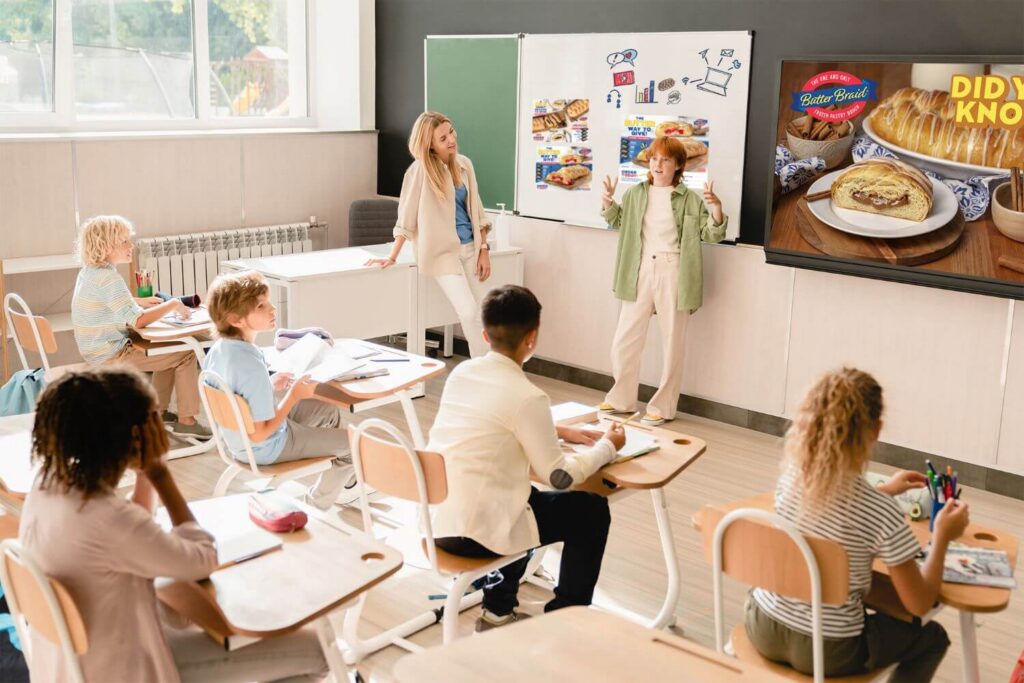
Parents and guardians naturally want to help their kids succeed. That’s a good thing. But there is a difference between supporting a child and taking over for them. During a fundraiser, try to think of yourself as a coach.
Help your child prepare. Practice what they want to say. Answer questions. Help them understand what is expected. Then, give them room to do what they can on their own. For a younger child, that might mean letting them explain the fundraiser to a family member while you provide support. For an older child, it might mean letting them manage their own customer list, communicate with supporters, or track their progress.
The right amount of independence will look different for every child. The important thing is to give them opportunities to make decisions and experience the results. After all, kids can’t learn to lead if adults always lead for them.
8. Ask Questions Instead of Always Giving Answers

One of the easiest ways to help kids develop leadership skills is to ask questions. Adults often see the solution immediately. We know who they should contact, what they should say, or how they can solve the problem. But if we always provide the answer, kids don’t get much practice solving problems themselves.
Instead, try asking:
- What do you think you should do?
- Who could you ask for help?
- What worked last time?
- What could you try differently?
- What’s your next step?
Questions encourage kids to think through challenges rather than waiting for someone else to solve them. That is a leadership skill.
Good leaders don’t always have every answer. They know how to assess a situation, consider their options, ask for help when needed, and decide what to do next. A fundraiser gives kids a safe place to practice those skills.
9. Create Small Leadership Opportunities
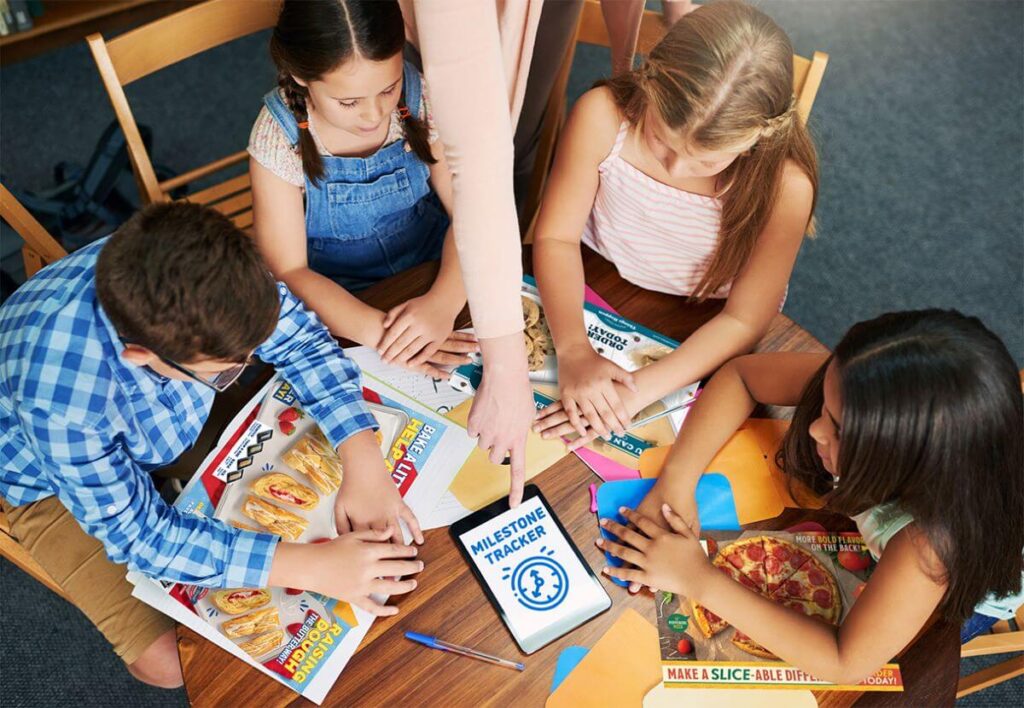
Not every child is going to step forward naturally. Some kids are comfortable taking charge. Others are quieter and may need an invitation. That’s where group leaders can make a difference.
Look for small ways to give kids meaningful responsibilities during the fundraiser. You might ask someone to help keep track of the group’s progress. Another child could encourage teammates. Someone else could help brainstorm ideas for promoting the fundraiser.
You could create informal roles such as:
- Goal Champion: Helps remind the group what they’re working toward.
- Motivation Captain: Encourages teammates and celebrates progress.
- Milestone Tracker: Helps keep track of group accomplishments.
- Idea Starter: Shares creative ideas for reaching supporters.
- Thank-You Leader: Helps remind everyone to thank customers.
These don’t need to be official positions or complicated assignments. The point is to give kids a chance to contribute beyond selling. When children discover that their ideas and efforts can help the group, they begin to see themselves as people who can make an impact.
10. Celebrate Leadership, Not Just Sales

It’s easy to measure fundraising success by the final numbers. How many products were sold? How much money did the group raise? Did you reach the goal?
Those numbers matter. But if we’re talking about helping kids develop leadership skills, they’re only part of the story. Pay attention to what happens throughout the fundraiser.
- Did a child who was nervous about talking to people become more confident?
- Did someone learn to organize their orders?
- Did a seller encourage a teammate?
- Did a child come up with an idea that helped the group?
- Did someone who experienced a setback try again?
These are leadership wins.
When adults recognize those behaviors, kids learn that leadership isn’t about being the person with the highest sales total. It’s about taking initiative, following through, supporting others, and continuing to grow. And those are accomplishments worth celebrating.
11. Talk About What They Learned

When the fundraiser ends, don’t let the final delivery be the end of the experience. Take a few minutes to talk with kids about what happened.
Ask questions such as…
- What are you most proud of?
- What was harder than you expected?
- What worked well?
- What would you do differently next time
- What did you learn about yourself?
- Did someone help you during the fundraiser?
- Did you help someone else?
This reflection helps kids recognize skills they may not even realize they’ve developed. A child might discover they’re better at talking to people than they thought. Another might realize they need to work on organization. Someone else may discover that they enjoy motivating others.
Those observations can become building blocks for future growth. And when the next fundraiser comes around, they’ll have something to build on.
The Lessons Last Longer Than the Fundraiser
A product fundraiser may last a few weeks. The leadership skills kids practice during those weeks can last much longer.
- They learn that setting a goal requires action.
- They learn that commitments need to be followed through.
- They learn that communication takes confidence and listening.
- They learn that not everyone will say yes, and that it’s possible to keep going anyway.
- They learn that their individual efforts can contribute to something bigger.
- And, perhaps most importantly, they begin to see that they have the ability to influence what happens around them.
For parents and guardians, the opportunity is to provide support without taking away ownership. For group leaders, the opportunity is to create an environment where kids are encouraged to participate, contribute, and step up. And for kids, the fundraiser becomes a chance to discover what they’re capable of.
Because, sometimes, the leaders of tomorrow are the kids asking a neighbor to support their fundraiser today.