A fundraiser usually starts with a burst of excitement. Sellers are ready to get started, families are talking about the goal, and those first orders start coming in. Then, somewhere in the middle of the campaign, things can get a little quieter. That’s normal. Even the most enthusiastic sellers can lose momentum when a fundraiser lasts for a couple of weeks.
So, how do you keep that initial energy going? One strategy is to add a little gamification to your fundraiser.
Gamification simply means incorporating game-like elements into an activity to make it more engaging. In fundraising, that could mean creating a friendly sales challenge, celebrating milestones, using a leaderboard, encouraging sellers to maintain a streak, or setting a short-term goal for the group. The idea isn’t to turn your fundraiser into a competition where only the top seller matters. It’s about creating small bursts of activity that give participants something new to work toward.
At Mayshine®, we believe successful fundraising is about bringing people together around a shared goal. Gamification can help make that process more engaging, encouraging sellers to stay involved while creating opportunities to celebrate progress along the way. So, we’ve put together our favorite tips that will help you use simple challenges and game-inspired ideas to keep your fundraiser moving from kickoff to final orders.
Why Momentum Matters in Fundraising
Fundraising momentum can be easy to build at the beginning. Everyone knows the fundraiser has started, the goal is fresh, and sellers are excited to share products with family and friends. But, maintaining that energy is a different story.
If participants hear the same message repeatedly — i.e. “Keep selling!” — it can start to blend into the background. Even when they want to help, they may not know what they should do next. That’s where small, specific goals can help.
Instead of asking sellers to think about the entire fundraiser at once, give them something immediate to focus on. Maybe the goal is to make three sales today. Maybe it’s to send their fundraising link to five people. Maybe the group is trying to reach a certain number of orders by Friday.
These smaller objectives make the fundraiser feel more manageable. They also give sellers a reason to check back in, take another action, and keep moving forward. In other words, you’re not asking people to maintain the same level of excitement for two or three weeks. You’re giving them new reasons to get excited along the way.
Gamification Doesn’t Have to Be Complicated
When you hear the word “gamification”, you might picture elaborate apps, complicated scoring systems, or a full-blown competition. However, it doesn’t have to be anything like that. In fact, the most effective fundraising games can be incredibly simple.
You can create a challenge using nothing more than…
- A specific goal
- A short timeframe
- A way to track progress
- A small recognition or reward
- A clear message to participants
The purpose isn’t to create more work for you as the group leader. It’s to give your existing fundraising activities a little more structure and energy. If you’re already communicating with sellers throughout the fundraiser, you can incorporate challenges into those communications without creating an entirely new system.
16 Tips for Adding Gamification to Your Fundraisers
1. Create Short-Term Challenges
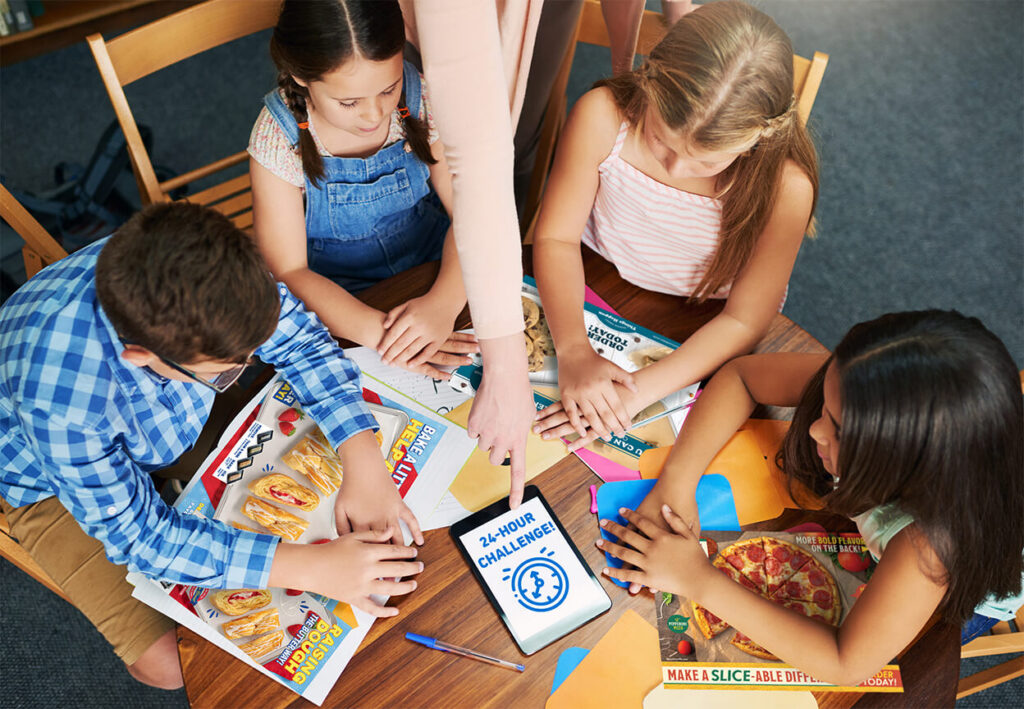
One of the easiest ways to introduce gamification is through short-term challenges. Rather than making the entire fundraiser one long sales goal, break it into smaller moments. For example, you could announce a 24-hour challenge:
“Can our group reach 50 orders by tomorrow? Let’s see what we can do!”
Or try a weekend challenge:
“This weekend, let’s see how many new supporters we can reach. Share your fundraising link with five people and help us keep the momentum going!”
You can also create product-focused challenges:
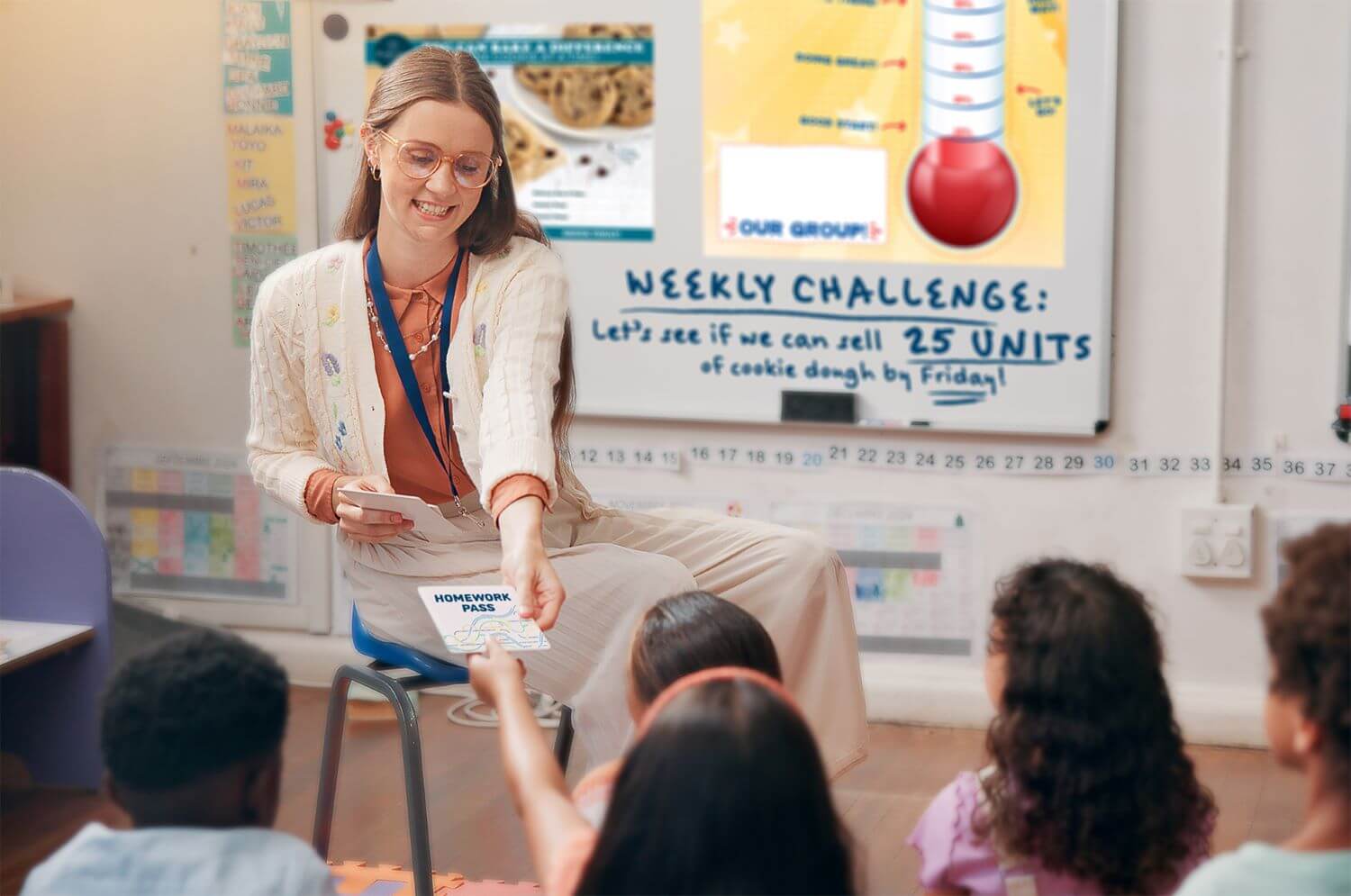
“Let’s see if we can sell 25 more units of cookie dough by Friday!”
Short challenges work because they create a clear beginning and end. Participants don’t have to think about what they need to accomplish over the next several weeks. They simply need to focus on the goal in front of them. Those small bursts of activity can add up to significant progress over the course of the fundraiser.
2. Use Leaderboards to Make Progress Visible
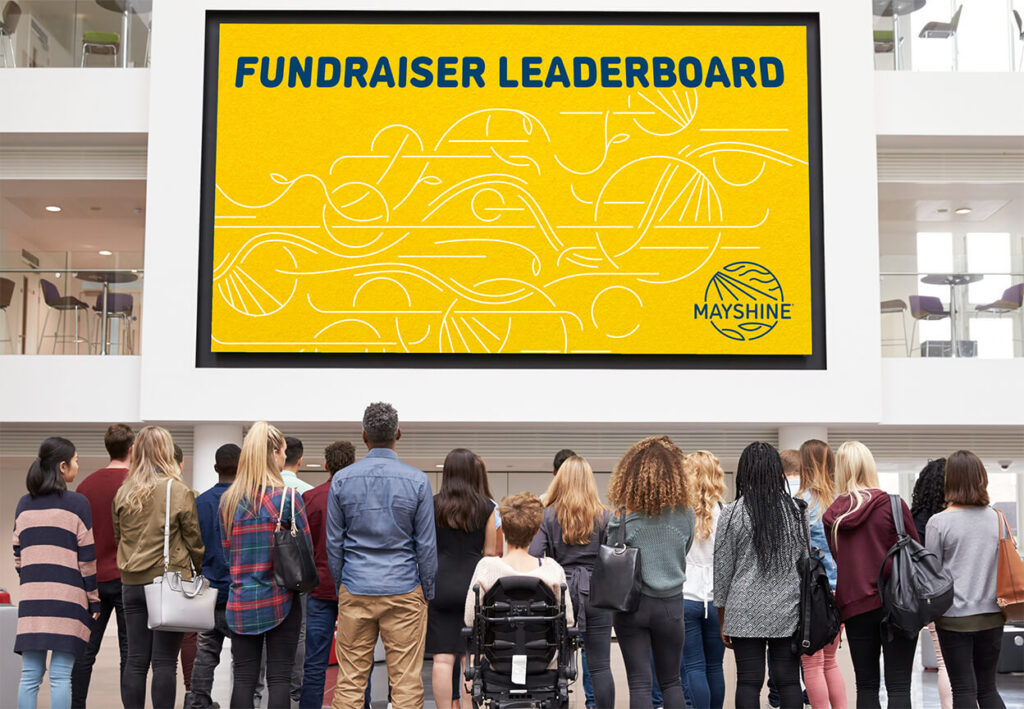
Leaderboards are another simple way to create engagement. A leaderboard can show sellers who are leading in sales, orders, new supporters reached, or another measurable activity. Seeing progress can encourage participants to stay involved and give the group something to talk about.
Remember: leaderboards don’t have to be all about who’s number one.
Consider recognizing multiple types of achievements, such as:
- Top seller
- Most improved seller
- Most orders in a week
- First seller to reach a milestone
- Most new supporters
- Best team spirit
- Most creative social media post
This gives more participants a chance to be recognized. It also reinforces an important message: fundraising success isn’t only about who sells the most.
Keep Leaderboards Encouraging
Before creating a leaderboard, think about your group and its dynamics. For some groups, competition can be highly motivating. For others, publicly ranking participants may make some sellers uncomfortable. The goal is to create friendly competition, not pressure.
If you’re working with younger participants, consider keeping the focus on group achievements rather than individual rankings. For example, you might announce that the group has reached 50%, 75%, or 100% of its goal. You could also use team-based leaderboards where participants work together toward a shared target.
The best approach is the one that fits your group.
3. Try a Streak Challenge
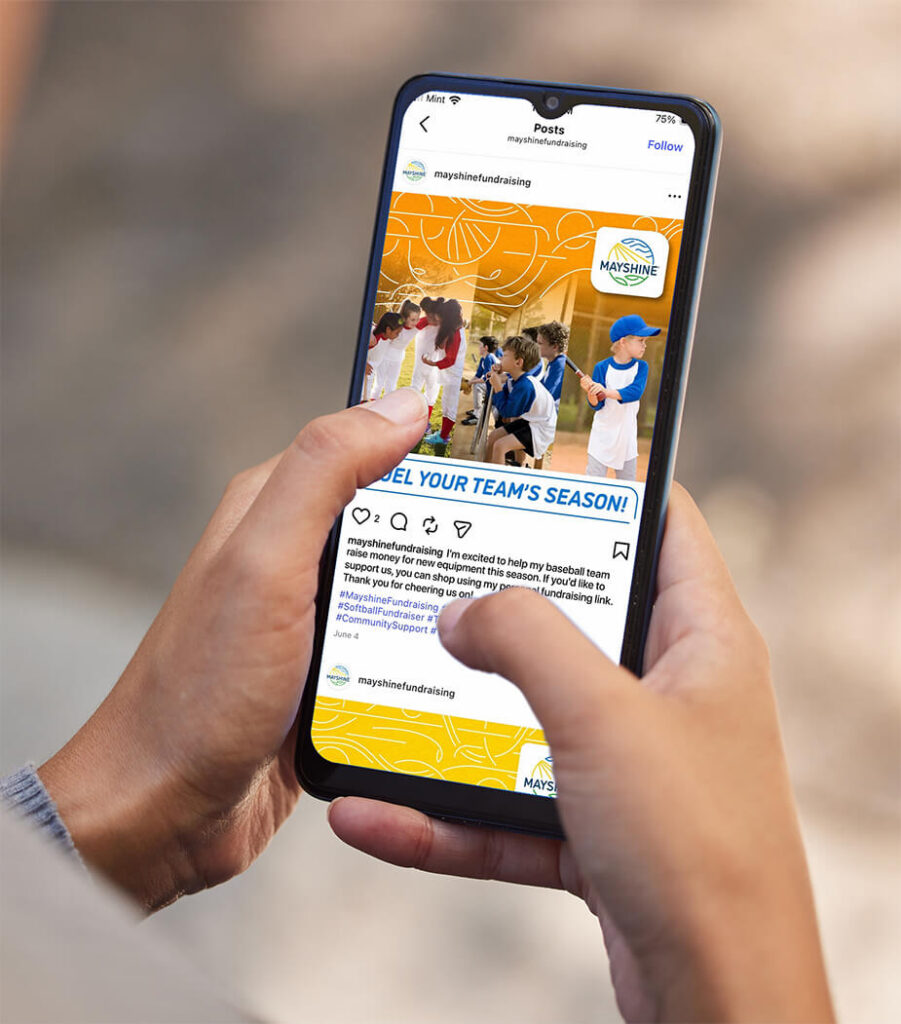
Streaks are another fun way to encourage consistent effort. The concept is simple: participants complete a specific action for several consecutive days. The goal isn’t necessarily to make a sale every day. It’s to encourage sellers to take consistent action. That’s an important distinction. A seller may not make a sale every day, but they can make an effort every day. And consistent effort can create momentum.
For example:
The 5-Day Fundraising Streak
- Day 1: Share your fundraising link with three people.
- Day 2: Talk to someone new about your fundraiser.
- Day 3: Follow up with someone who expressed interest.
- Day 4: Share a fundraiser reminder on social media.
- Day 5: Thank someone who supported your fundraiser.
4. Celebrate Milestones
People like knowing they’re making progress. That’s why milestones can be such powerful motivators during a fundraiser. Instead of waiting until the campaign ends to announce the results, celebrate along the way.
You might celebrate when your group:
- Reaches 25%, 50%, and/or 75% of its goal
- Reaches a certain number of orders
- Gets every seller their first sale
- Reaches a record number of supporters
These moments don’t need to involve prizes or elaborate celebrations. Sometimes a simple message is enough.
“We just reached 50% of our goal! Thank you to everyone who has shared, sold, and supported our fundraiser. Let’s keep going!”
5. Introduce a “Next Goal”
Once your group reaches a milestone, don’t let the momentum stop there. Give them a new target.
If your original goal was $5,000 and the group reaches it early, consider setting a stretch goal of $5,500 or $6,000. The key is to make sure the stretch goal feels achievable. You don’t want participants to look at a huge number and think, ‘There’s no way we’ll get there.’ Instead, show them what’s possible.
“We’ve reached our original goal! We’re only $500 away from our stretch goal. Let’s see if we can get there together.”
A new goal can turn the final days of a fundraiser into a renewed push rather than a slow finish.
6. Try a “Mystery Challenge”

Want to add a little curiosity? Try a mystery challenge. Tell sellers that if the group reaches a certain milestone, you’ll reveal a surprise challenge, activity, recognition opportunity, or opportunity for a group prize.
For instance, you could say, “If we reach 75% of our goal by Friday, we’ll unlock a special challenge for the final week! If you complete the special challenge, we’ve arranged a sweet surprise to reward you for all your hard work.”
The surprise element can create curiosity and encourage participants to keep checking in. Just make sure the reveal is something manageable and appropriate for your group. The point is to create anticipation not another complicated task.
7. Create Team Challenges
Not every game needs to focus on individual sellers. Team challenges can be especially effective for larger groups because they encourage participants to work together. Divide your group into teams and give each team a shared goal.
For example:
“Team A vs. Team B: Which team can reach 100 orders first?”
Or
“Each team needs to reach 25 sales to unlock the next milestone.”
Team challenges can help participants feel like they’re part of something bigger than their individual sales. They also provide opportunities for participants to encourage one another and work together.
8. Use “Unlockable” Goals
Another fun approach is to create fundraising goals that unlock something when they’re reached.
For example:
- At 25%: Group shoutout
- At 50%: Fun team challenge
- At 75%: Special recognition
- At 100%: Goal celebration
You can tailor the rewards to your group. They don’t have to be expensive. The reward could be recognition, a fun activity, a special “pass” (teacher for a day, line leader, etc.), or even just bragging rights. The important part is that participants can see what’s ahead and have the drive to get there.
9. Make Digital Fundraising Part of the Game

If your group uses an online store, gamification can easily extend into your digital fundraising efforts. With many online stores, like Mayshine®’s, each seller has a unique selling link they can share with supporters. You can create challenges around how sellers use those links to expand their reach.
For example:
“This week’s challenge: Share your personal fundraising link with 10 people who don’t live in your household.”
Or
“Help us reach 20 online orders this week!”
You can also use the Group Leader Portal to monitor your fundraiser’s progress and use those updates to create timely challenges and celebrations. Digital tools make it easier to keep participants connected to the fundraiser, even when everyone isn’t together in the same place.
10. Don’t Make Every Challenge About Sales
This is an important one. If every challenge is based on who can sell the most, some participants may not be able compete. Instead, create challenges around effort and engagement that will allow more people to participate and succeed. Consider challenges such as:
- Who can reach the most new supporters?
- Who can send the most thank-you messages?
- Who can share the fundraiser in the most creative way?
- Who can be the first to make a sale?
- Who can maintain a five-day streak?
- Which team can reach its goal first?
- Can everyone make at least one sale this week?
11. Keep the Challenges Short
Gamification works best when it adds energy rather than becoming another responsibility. That means you don’t need to run a new challenge every day. Instead, think about where your fundraiser naturally needs a boost.
Maybe participation is strong during the first few days but drops off during the second week. That’s a perfect time for a short challenge. Maybe you’re approaching the final three days and need one last push. Create a limited-time goal. Use gamification strategically; the goal is to create bursts of activity, not constant activity.
12. Make Progress Easy to See

Whether you’re using a leaderboard, milestone tracker, or team challenge, make progress visible. People are more motivated when they can see that their efforts are working. You could share updates through:
- Social media
- Group meetings
- Text messages
- A classroom or team announcement
- Your fundraising communication platform
13. Celebrate the Small Wins
Fundraising goals can sometimes feel big. That’s why small wins matter. You can celebrate…
- The first order.
- When every seller gets their first sale.
- Reaching the halfway point.
- A participant who finally reaches a personal goal.
- The team that helped another team.
These moments create positive energy and remind everyone that progress is happening. And when people see progress, they’re more likely to keep going.
14. Keep the Focus on Your “Why”
Gamification should never overshadow the reason you’re fundraising in the first place. Your goal might be purchasing new equipment, funding a trip, supporting an activity, paying for uniforms, or helping your organization provide new opportunities. Keep that purpose at the center.
When announcing challenges, connect them back to the bigger goal.
Instead of:
“Let’s sell 20 more items!”
Try:
“We’re only 20 orders away from reaching our goal and helping fund new equipment for our team. Let’s work together to get there!”
The challenge gives people a short-term objective. The purpose gives that objective meaning.
15. Be Thoughtful About Rewards
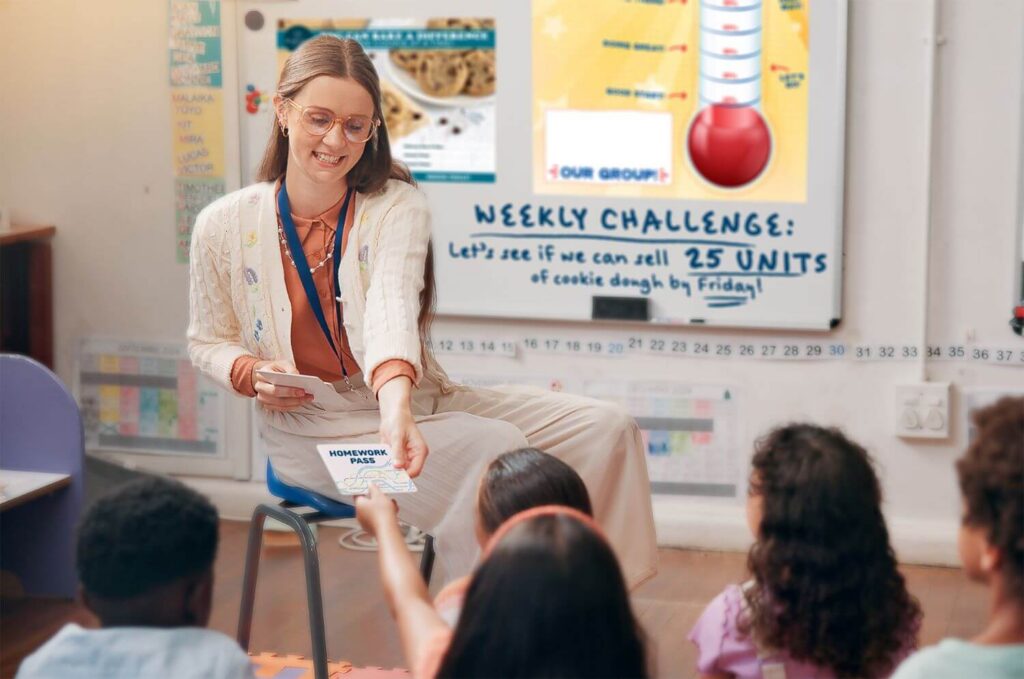
Rewards can be a fun part of gamification, but they aren’t required. If you do use incentives, consider options that recognize effort without making the fundraiser feel overly competitive or overly focused on “winning”. Ideas might include:
- Recognition during a group meeting
- A certificate
- A small prize
- A special privilege
- Team recognition
- A shoutout on social media
- A celebration when the group reaches its goal
You can also let participants vote on a group reward. This gives them a voice in the process and makes the achievement feel shared.
16. Create a Fundraising Game Plan

If you’re not sure where to start, keep it simple. For a three-week fundraiser, you might structure your gamification like this:
Week 1: Launch Challenge
Kick things off with a goal everyone can work toward. For example, challenge the group to reach 25% of its overall goal during the first week.
Week 2: Engagement Challenge
Introduce a challenge focused on reaching new supporters, sharing personal selling links, or maintaining a fundraising streak.
Final Week: Finish Strong
Use a countdown, final sales challenge, or mystery challenge to create urgency and encourage participants to make those last few sales.
This approach gives each stage of the fundraiser a slightly different focus. Instead of one long campaign, participants experience several smaller moments of excitement.
Remember: The Goal Is Engagement
The best fundraising games aren’t necessarily the ones with the biggest prizes or most elaborate rules. They’re the ones that make people want to participate. A leaderboard might motivate one seller. A streak might motivate another. A team challenge might be exactly what gets another participant involved. That’s why variety matters.
Think about the personalities within your group and create different ways for people to contribute. Some sellers will love competition. Others will be motivated by teamwork. Some will enjoy reaching personal milestones. Others will simply appreciate being recognized for their effort. Give them different ways to succeed.
Keep It Fun and Keep It Moving
At the end of the day, gamification is about one thing: keeping sellers engaged. Fundraising doesn’t have to feel like a long, repetitive process. By adding short challenges, visible milestones, friendly competition, streaks, team goals, and regular recognition, you can give participants new reasons to stay involved throughout the campaign.
These small bursts of effort may seem simple, but they can make a meaningful difference. A quick challenge can encourage one more conversation. One more conversation can lead to another order. Another order can help the group reach its next milestone. And before you know it, those small moments have added up to a successful fundraiser.
With a little creativity, a little encouragement, and a few well-timed challenges, you can keep that fundraising momentum going all the way to the finish line.